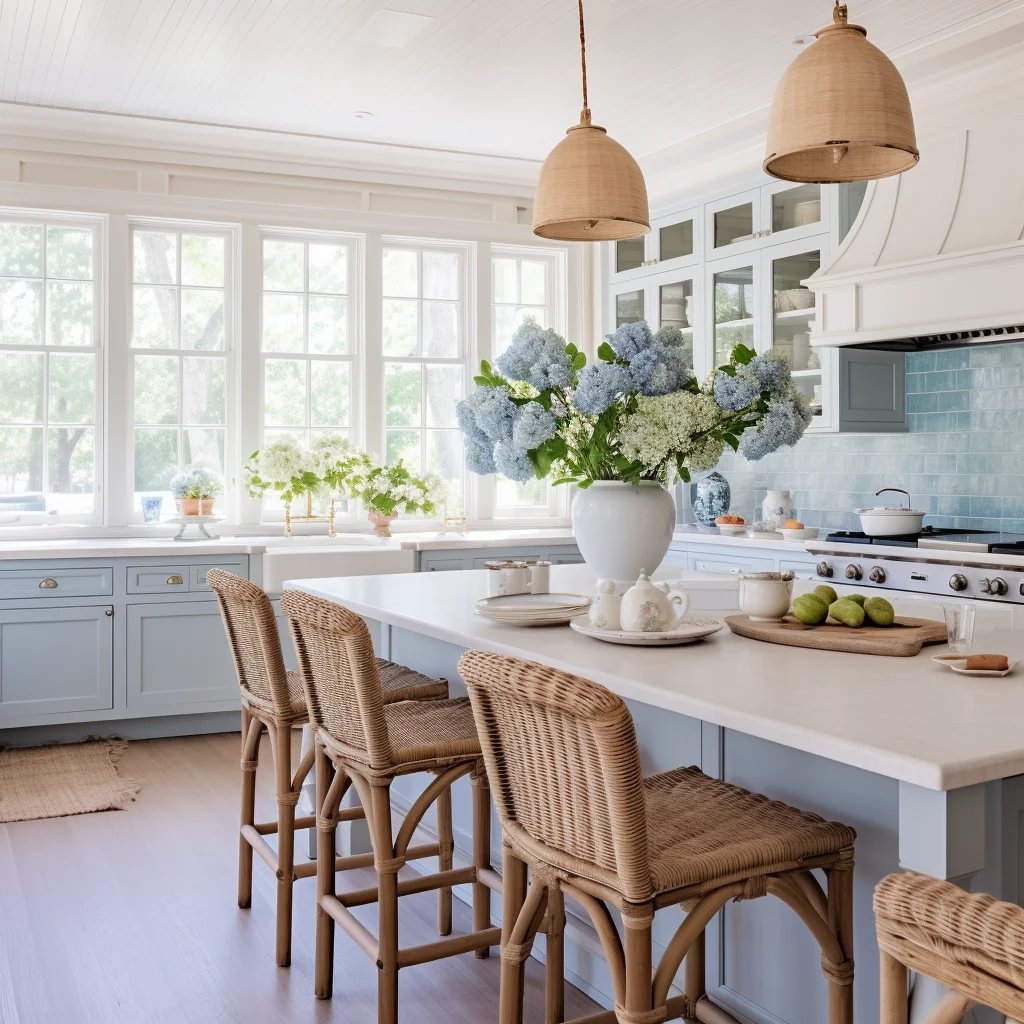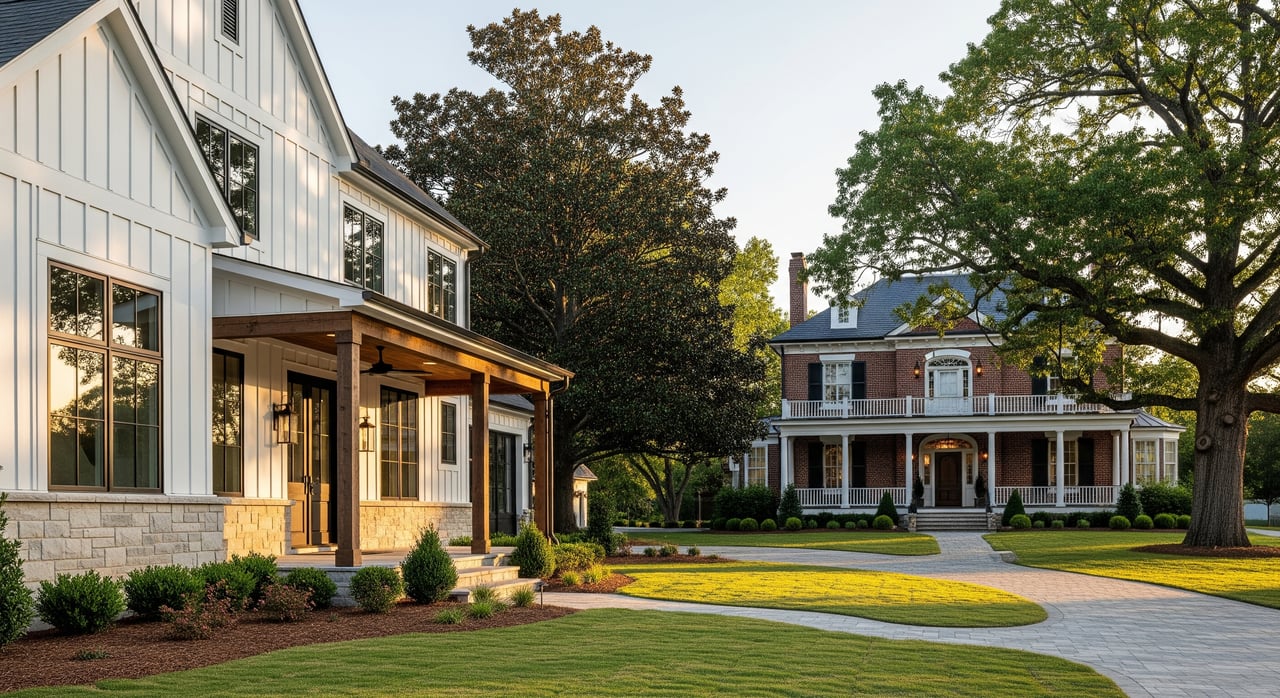
Torn between a brand-new build and a resale home in Trenton’s 38382 ZIP? You are not alone. With limited new construction and a mix of older homes across Gibson County, deciding where your money goes furthest can feel tricky. In this guide, you will learn the key pros and cons of each option, how costs and timelines compare, and the most important local steps to take before you buy. Let’s dive in.
Trenton market snapshot
Trenton is a small, West Tennessee city where housing turnover is slower than in large metros. You will see a mix of older single-family homes, small subdivisions, and fewer active new-build communities. That means inventory can be tight, and the right decision often comes down to your timing, budget, and willingness to trade customization for convenience.
In this market, your choice is shaped by practical factors like utility access, permitting timelines, and available builders. Schools within the Gibson County system also influence buyer demand, so confirm boundaries early if school zoning matters to you.
New construction in 38382: what you gain
If you want minimal upkeep and modern features from day one, new construction can be compelling.
- New systems and components mean fewer near-term repairs. Roofing, HVAC, plumbing, windows, and electrical are all up to current code.
- Better energy efficiency can reduce utility bills compared with many older homes.
- Builder warranties provide defined protections for workmanship, systems, and structure for a set period.
- Customization is possible if you buy early enough. You can often choose finishes and select certain layout options.
- You will likely face lower maintenance needs for the first few years.
What can raise the price
Several cost drivers explain why new builds can command a premium:
- Local labor and builder overhead
- Material prices and supply chain volatility
- Lot price, grading, drainage, and whether you need septic or can connect to sewer
- Permits and impact fees
- Upgrades and option packages for flooring, cabinetry, and appliances
- Infrastructure or HOA fees in new subdivisions
Timelines and process in Gibson County
A typical build follows a predictable path: lot selection, permitting and site prep, foundation and framing, rough-ins, insulation and drywall, finishes, and final inspections before a certificate of occupancy. Production builds may complete in a few months once the lot is ready. Custom builds often take 9 to 12 months or longer. Weather, material delays, and permitting can shift the schedule, so get a written timeline and clarify remedies if delays occur.
Financing for a new build
Financing works differently than for a finished home. You may use a construction-to-permanent loan, conventional financing once the home is complete, or builder-arranged incentives like rate buy-downs or closing cost help. Appraisals can be challenging if there are few comparable new sales nearby. If an appraisal comes in low, you might renegotiate price, adjust concessions, add comps, or bring extra cash. Confirm documentation requirements and down payment expectations with your lender at the start.
Resale homes in Trenton: advantages
Resale homes can deliver location, character, and value.
- You will find established neighborhoods with mature trees and yards.
- Purchase price per square foot can be lower than new builds, depending on conditions.
- Negotiation is often more flexible. You may secure concessions, repairs, or closing cost help.
- Timeline is faster. You can often close quickly if the home is in good condition.
- Older homes can offer architectural details you will not see in most production builds.
Common trade-offs to plan for
The main risk with resale is condition. Older systems may be closer to replacement, and hidden issues can surface during inspection. Energy efficiency may lag without recent upgrades. Renovation timelines and costs can also grow if surprises show up once work begins. Build in a contingency budget and time cushion if you plan updates.
Inspection priorities in Gibson County
Before you finalize a resale purchase, protect yourself with thorough due diligence:
- Full home inspection covering structure, roof, HVAC, plumbing, and electrical
- Sewer or septic inspection, plus well testing if applicable
- Termite and pest inspection, which is important across Tennessee
- Radon testing if local guidance suggests it
- Review of recent utility bills to estimate operating costs
- Permit history and past renovations confirmed with the city or county
- Title search, lien check, and a survey to verify boundaries
Renovation finance options
If you plan to update, talk with your lender about available products. Options can include a conventional mortgage with cash set aside, an FHA 203(k) loan for qualifying rehab projects, or a home equity line of credit after you build equity. Each route has its own rules and timelines, so compare costs and requirements early.
Total cost of ownership: new vs resale
Price is only part of the decision. Compare the full, realistic monthly and annual costs for each home you consider.
- Mortgage: principal, interest, and any mortgage insurance
- Property taxes: verify current assessments and tax rates with the county
- Homeowners insurance: premiums vary by age, condition, and coverage
- Utilities: heating, cooling, and water usage differ by efficiency and size
- HOA dues: more common in newer subdivisions with shared amenities
- Maintenance: new builds usually cost less to maintain in the first years; older homes may need larger seasonal or capital repairs
Create side-by-side estimates for at least the first three to five years. That view often clarifies which path fits your budget and lifestyle best.
Appraisals, taxes, and insurance
In smaller markets with fewer recent sales, appraisals for both new builds and heavily upgraded resales can trend conservative. Plan for appraisal risk in your financing strategy. Property taxes and assessments affect long-term carrying costs, so confirm current figures with the county. Insurance can cost more for older homes with outdated systems. Ask an insurance agent to quote several properties you are considering so you can compare apples to apples.
Neighborhood, schools, and HOAs
Neighborhood features and school boundaries often shape demand in Gibson County. Keep your research factual and up to date by checking boundary maps and official resources. Newer subdivisions commonly include an HOA that sets maintenance standards and architectural guidelines. Review the covenants and fees to understand rules, allowed uses, and any future obligations.
Decision guide: which is right for you?
Choose new construction if you want:
- Minimal maintenance for the next few years
- Energy-efficient systems and up-to-date codes
- The ability to personalize finishes and features
- Warranty coverage for defined periods
Choose resale if you want:
- A quicker move-in timeline
- Potentially lower price per square foot
- An established neighborhood setting
- Room to negotiate price and concessions
If you are unsure, start with timing and total cost. If you need to be in a home within 45 to 60 days, resale often wins. If you want exactly what you want and can wait, new construction can be a better fit.
Local due diligence checklist for 38382
Use this practical sequence to compare properties and reduce surprises:
- Verify current inventory and recent sales in 38382 through the local MLS with your agent.
- Secure two mortgage pre-approvals, including one that covers construction loans if you are considering a build.
- For new builds: get a written timeline, warranty details, specs for energy efficiency, and clear remedies for delays.
- For resale: order full inspections, septic or well tests if applicable, and confirm past permits and renovations with local offices.
- Compare total cost of ownership for each property: mortgage, taxes, insurance, utilities, HOA dues, and maintenance.
- Review neighborhood factors: lot size, commute times, future development plans, and school boundaries if relevant to your needs.
- Ask your lender and agent whether local comparable sales support the target price, especially for a new build.
For sellers: how this affects your strategy
If you plan to list a resale home, you compete with both updated resales and any new construction in the area. Focus on what you control. Fresh paint, curb appeal, lighting, and clean, staged rooms often deliver strong near-term return. Pricing to the most recent comparable sales and presenting a move-in ready feel can cut days on market.
If your home is newer or you recently completed updates, highlight energy-efficient systems, low utility averages, and any transferable warranties. Clear photography and thoughtful staging help buyers see the value and the difference versus older or unfinished options.
A polished presentation paired with disciplined pricing puts you in the best position no matter what is happening in nearby subdivisions.
Ready to compare specific homes or discuss the best path for your move? Reach out to Amy McLemore for local guidance tailored to your goals.
FAQs
What are the biggest pros of new construction in Trenton 38382?
- You get modern systems, better energy efficiency, and builder warranties, plus the chance to personalize finishes if you buy early in the process.
What are common risks when buying a resale home in Gibson County?
- Older systems and hidden issues can surface during inspections, and energy efficiency may lag unless the home has recent upgrades.
How do new-build timelines in 38382 typically work?
- After lot selection and permits, production builds may finish in a few months, while custom builds often take 9 to 12 months or more depending on weather and materials.
What should I budget beyond the purchase price when comparing homes?
- Include taxes, insurance, utilities, HOA dues if any, and realistic maintenance or renovation costs over at least a three- to five-year horizon.
What happens if a new-build appraisal comes in low in a small market?
- You can try to renegotiate, provide additional comparable sales, seek another appraisal, bring extra cash, or ask for builder concessions depending on the situation.