Thinking about buying your first rental or flip in Trenton’s 38382 ZIP code but not sure where to start? You are not alone. Entry prices can be approachable here, yet small markets require careful comps, conservative math and a plan for maintenance. In this guide, you will learn the local numbers to watch, the due diligence steps that protect your budget and the basics of underwriting rentals and flips in Gibson County. Let’s dive in.
Why Trenton can work for small investors
Trenton is a small city in Gibson County with a steady base of regional employers. Prices are generally lower than larger metros, which helps you get in the game with less capital. At the same time, thin sales volume means individual comps matter more than broad averages, so you need a local lens on value.
Price and rent snapshot
- Sale prices: Recent aggregators show a wide range in this area, from the high five-figure level to the low six figures. Because data sources define boundaries differently, use fresh MLS comps on the exact block to price offers.
- Typical rents: Many 1–3 bedroom rentals in 38382 fall in the roughly 650 to 900 dollars per month band, depending on size and condition. Expect stronger rent potential for clean, move-in ready homes with updated systems.
- Vacancy: City-level Census data shows rental vacancy in the single digits, while some ZIP-level estimates run closer to 9 to 10 percent. In a small market, vacancy can swing with seasonality and property condition, so validate with current listings and local managers.
Nearby employers and demand
Gibson County’s economy includes manufacturing, food processing, agriculture, education and health services. A notable driver is Tyson Foods’ large poultry complex in nearby Humboldt. The company’s announced investment increased local employment and likely helped rental demand in the broader labor catchment area. You can read more in Tyson’s update on its Tennessee poultry complex investment.
What you will find in 38382 housing stock
Common property types
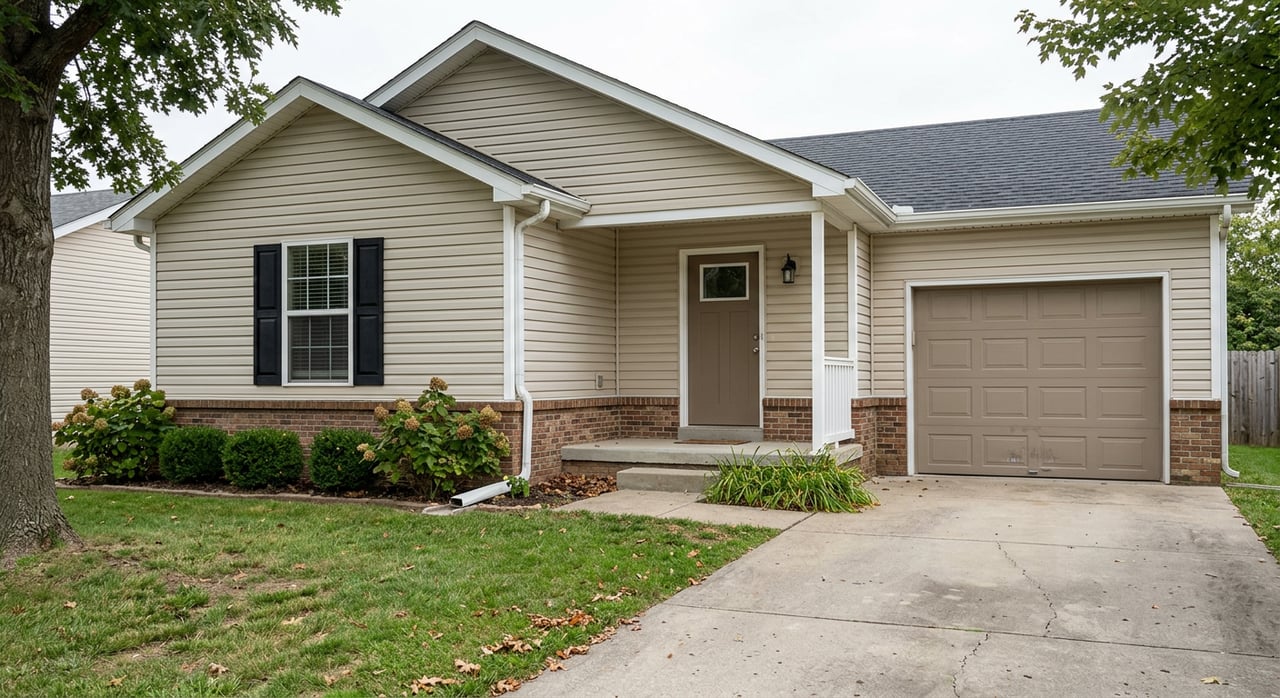
Expect mostly single-family homes, some small multifamily buildings with 2–4 units, and a measurable share of manufactured housing. Many homes were built in the mid-20th century. New construction is limited, so plan for due diligence on older systems and deferred maintenance.
Condition checklist for first visits
Use this quick screen to decide whether to dig deeper:
- Roof and structure: Look for active leaks, sagging, and signs of foundation settlement.
- Electrical and HVAC: Watch for outdated knob-and-tube wiring, undersized panels and end-of-life HVAC units.
- Water and pests: Check for water intrusion, standing moisture, and termite or wood-destroying insect activity.
- Exterior condition: Note rotten trim, peeling paint, and soft spots around windows or porches.
- Lead paint compliance: For any home built before 1978, federal law requires giving tenants the lead hazard pamphlet and disclosing known lead-based paint hazards before signing a lease. Review the federal guidance on lead disclosures for pre-1978 housing if you plan to rent or renovate.
Rehab cost ranges to frame a budget
Published studies put cosmetic updates in the low tens of dollars per square foot, standard renovations in the roughly 15 to 60 dollars per square foot range, and full guts or major systems in the 60 to 150 plus range. These are directional only. Rural labor, material availability and scope can move numbers, so confirm with local contractor bids. For a national overview, see this summary of home renovation cost ranges.
First-pass underwriting made simple
Step-by-step quick screen
- Pull 3–6 recent comparable rentals as close as possible to the subject property. Validate with a local property manager when you can.
- Estimate gross scheduled rent. Multiply expected monthly rent by 12.
- Apply a vacancy allowance. In a small market, consider 5 to 10 percent based on current signals.
- Subtract realistic operating expenses. Include taxes, insurance, repairs, reserves, property management and any landlord-paid utilities.
- Calculate Net Operating Income. NOI equals gross rent minus operating expenses before mortgage payments.
- Screen with GRM and cap rate. Use them for quick comparisons, then build a full cash flow with your lender’s terms.
Core metrics to know
- Gross Rent Multiplier (GRM) equals purchase price divided by annual gross rent. It is a fast screen for similar properties. Learn more about GRM in this valuation overview.
- Capitalization Rate (cap rate) equals NOI divided by purchase price. Higher caps can imply higher return and higher risk. See a clear explanation of cap rate and how to use it.
Illustrative Trenton math
Assume a clean 2–3 bedroom house can rent for 800 dollars per month in 38382 and the purchase price is 100,000 dollars. Annual gross rent is 9,600 dollars. A 5 percent vacancy adjustment takes it to 9,120 dollars. If you budget 3,600 dollars for annual expenses across taxes, insurance, repairs and reserves, NOI is 5,520 dollars. That is a 5.5 percent cap rate and a GRM of 10.4. If your bids or operating costs come in higher, the cap will fall. This is why local comps and tight expense estimates are essential.
Hold vs. flip in a small market
Buy-and-hold: pros and focus areas
- Pros: Lower entry prices in many cases and a stable regional employment base can support steady demand. Tennessee’s assessment method is also friendly to modeling. Residential real property is assessed at 25 percent of appraised value, then the local rate is applied to that assessed amount. See the Tennessee Comptroller’s assessment glossary.
- Focus areas: Use conservative rent and vacancy assumptions, and plan strong maintenance reserves. If you will not self-manage, include property management fees in your math. Strong tenant screening and well-documented move-in conditions help protect cash flow.
Flips: what to watch
- Pros: If you buy well below after-repair value and control scope, timeline and finishes, flips can pencil in a low-cost market.
- Constraints: The resale pool is smaller and ARV is capped by limited comps. Budget for contingency on hidden structural or systems issues. Many flippers use the 70 percent rule as a screen. Maximum Allowable Offer equals ARV times 70 percent minus repairs. In slower markets, some investors drop the percent. Treat it as a heuristic, not a rule. For background, see this overview of the 70 percent rule for flipping.
Timing and liquidity
Days on market can swing in small cities. Low transaction counts and seasonality can compress or lengthen your sale timeline. Price from rock-solid comps and leave room in holding-cost budgets so you are not forced to cut corners at the finish.
Taxes, permits and local rules
Property tax basics in Gibson County
Tennessee assesses residential property at 25 percent of appraised value, then applies local millage rates. To estimate taxes, you need the parcel’s appraised value, the assessed portion and the current local rate. The Gibson County Trustee’s office posts billing schedules and payment deadlines. Check the Trustee’s office page for official updates. For assessment questions or parcel lookups, the Gibson County Assessor contact page is a good starting point.
Landlord-tenant rules and notices
Tennessee’s landlord-tenant framework outlines habitability, security-deposit handling and notice requirements. Some provisions apply differently across the state, so align your lease and notices with local practice. The state’s renter resources page offers a plain-language overview of Tennessee landlord-tenant basics. Pair that with attorney guidance or a local property manager for county-specific procedures.
Permits and flood checks
Plan permits and inspections for any renovation with your municipality or the county building office. Before buying, verify flood risk and insurance needs. FEMA’s tool lets you check any address through the Flood Map Service Center. Flood designation can affect insurance, financing and rehab plans.
Field-tested due diligence checklist
Use this list to protect your budget and timeline:
- Verify current sale comps through the local MLS and a Trenton or Gibson County agent.
- Order a licensed home inspection plus targeted inspections for roof, HVAC, sewer scope and termites.
- Pull title and check for liens, unpaid taxes and open code issues.
- Confirm local permits and any rental registration with the city or county offices.
- Check flood zone and get an insurance quote. Confirm any lender requirements.
- Obtain two to three contractor bids for your scope. Compare to national per-square-foot guides and carry a 10 to 20 percent contingency.
- Confirm landlord-tenant obligations and disclosures, including federal requirements for pre-1978 lead paint.
How a local partner helps
In a market where one or two comps can set your ceiling, the right guidance matters. You get design-forward advice on what to fix, what to stage and what to skip, paired with disciplined pricing and underwriting. If you are eyeing a rental or flip in 38382, let’s run the numbers, walk the property and map a clear, step-by-step plan. Reach out to Amy McLemore to get started.
FAQs
What are typical rents for a 2–3 bedroom in Trenton 38382?
- Many recent listings fall in the 650 to 900 dollars per month range depending on size, condition and location within the ZIP. Verify with fresh local comps.
How should I estimate property taxes on a Trenton rental?
- Tennessee assesses at 25 percent of appraised value, then applies the local rate. Confirm the parcel’s data with the county and the current rate with the Trustee’s office.
What vacancy rate should I use when underwriting in 38382?
- A 5 to 10 percent allowance is a practical screen in a small market, with the higher end used if ZIP-level signals show more slack.
Is flipping realistic in a smaller market like Trenton?
- Yes if you buy well below ARV and control rehab costs, but the resale pool is smaller, so price from tight comps and carry a strong contingency.
What inspections are most important on older Trenton homes?
- In addition to a general inspection, target roof, HVAC, electrical, sewer scope and termite checks, and confirm compliance with pre-1978 lead paint rules.
How do I check if a property is in a flood zone before I buy?
- Enter the address in FEMA’s Flood Map Service Center to see any special flood hazard areas and potential insurance requirements.