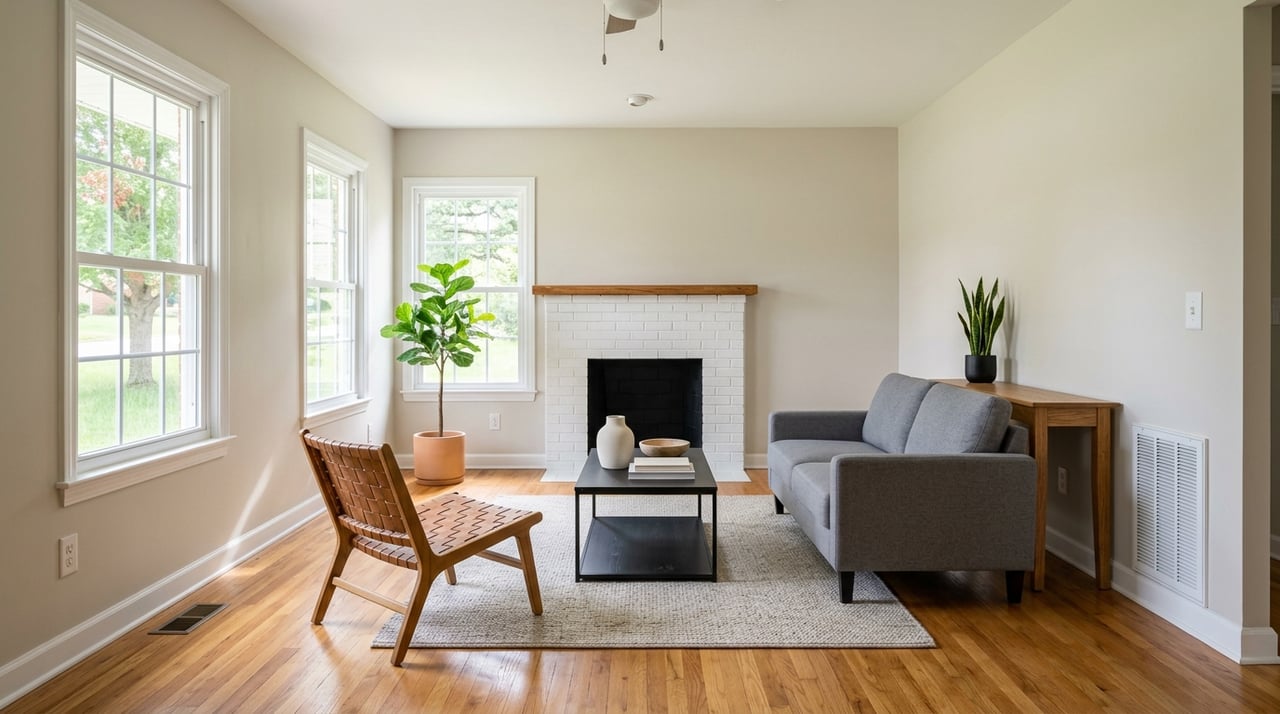
Selling your home in Oakfield can feel like one big question mark. How long will prep take? When will showings start? How soon can you actually close? If you are planning a move in the 38305 area, knowing the timeline upfront can help you make smarter decisions and avoid last-minute stress. Here is what the typical home selling timeline looks like from prep to closing, and where your choices can help keep things on track.
What to Expect in Oakfield
In 38305, homes are not flying off the market overnight, but they are not sitting endlessly either. Recent market snapshots show homes going pending in about 49 days on average, with another local snapshot showing 66 average days on market and a 97.8% sale-to-list ratio.
That points to a balanced market where pricing, condition, and presentation matter. For many sellers, the full process from early prep to closing lands somewhere around 2 to 4 months, depending on how much work the home needs and whether your buyer is paying cash or using financing.
Stage 1: Plan Before You List
A smoother sale usually starts before you touch a paintbrush or book a photographer. This is the time to meet with an agent, talk through your goals, and build a plan around your timing, price expectations, and the current Oakfield market.
Most sellers want help with three things: pricing, marketing, and selling within a target timeframe. That makes your first step an important one, because the strategy you choose now affects every stage that follows.
Start With a Listing Strategy
Before your home goes live, you need a clear plan for how it will be positioned. That includes a pricing strategy, a repair list, a staging approach, and a launch timeline that works with your move.
With Amy McLemore, this stage is especially valuable because presentation is part of the process, not an afterthought. A thoughtful plan can help you avoid over-improving, underpricing, or rushing to market before your home is truly ready.
How Long Prep Usually Takes
Many sellers take one month or less to get their home ready to list. That said, prep can take as little as two weeks or stretch into several months, depending on condition, schedule, and how much decluttering or repair work is needed.
A good rule of thumb is to give yourself a few weeks at minimum. If you are considering a pre-sale inspection, some guidance suggests thinking about that 2 to 3 months before listing, especially if your home is older or you want fewer surprises later.
Stage 2: Get the Home Market-Ready
This is the front-loaded part of the timeline. The more you do here, the more likely you are to make a strong first impression once buyers start scrolling online and booking showings.
Most preparation tasks are practical and manageable when broken into steps. The goal is not perfection. It is helping buyers see the home clearly and confidently.
Common Prep Tasks
Typical pre-listing work may include:
- Small repairs
- Touch-up paint
- Deep cleaning
- Decluttering
- Depersonalizing
- Yard cleanup and landscaping
- Neutralizing bold colors
- Light staging in key rooms
Decluttering alone can take about a week per room in some cases, so it helps to start earlier than you think you need to. Photography is usually scheduled near the end, once the home is clean and presentation-ready.
Why Staging Can Affect the Timeline
Staging is not just about looks. It can shape how quickly buyers connect with your home and how long it sits on the market.
In a recent staging report, 83% of buyers' agents said staging made it easier for buyers to visualize a property as their future home. Nearly half of sellers' agents also said staging reduced time on market, and 29% said it increased the dollar value offered by 1% to 10%.
The most commonly staged rooms are:
- Living room
- Primary bedroom
- Dining room
- Kitchen
In a balanced market like Oakfield, those details can make a meaningful difference.
Stage 3: Launch the Listing
Once prep is done, your home is ready for photos, listing copy, and market launch. Since most buyers begin their search online, your digital presentation matters from day one.
Creating the listing can take anywhere from about an hour to two weeks, depending on photographer availability and how quickly the final prep wraps up. If you want a polished launch, it is smart to build in a little extra time here.
What Happens at Launch
When your listing goes active, buyers may start requesting showings quickly. In many cases, showings begin within the first few days, especially if the home is priced well and looks move-in ready online.
Showings typically run one to four weeks and are often scheduled with 12 to 24 hours' notice. Most last about 15 to 30 minutes, so it helps to have a plan for keeping the house tidy and being ready to step out on short notice.
Open Houses and Early Interest
Some sellers choose to hold an open house at launch or at least within the first week. This can create momentum and give buyers an easy first look at the property.
Still, interest levels vary. A well-prepared home may generate fast activity, while a home that needs stronger pricing or better presentation may take longer to gain traction.
Stage 4: Review Offers and Negotiate
This is where your timeline can speed up or slow down. Some sellers receive an offer during the first weekend. Others may wait a few weeks before the right buyer comes along.
In general, the offer review and negotiation phase can take two days to a month or more. Sellers are often given 24 to 48 hours to respond, so it helps to know ahead of time what terms matter most to you.
Look Beyond Price Alone
The strongest offer is not always the highest number. You also need to look at financing, contingencies, requested repairs, closing timeline, and how likely the buyer is to make it all the way to the closing table.
Because homes in 38305 are selling at about 97.8% of list price on average, negotiation is normal. That means you should expect some give-and-take rather than assuming every sale will come in at full asking price with no concessions.
Stage 5: Under Contract
Once you accept an offer, the sale moves into the under-contract period. This is often the most paperwork-heavy part of the process, and it usually takes several weeks.
During this stage, the buyer's earnest money and the seller's property documents are held in escrow while both sides work through the terms of the agreement. If the buyer is financing the purchase, the lender typically requires an appraisal, title work, and insurance before closing.
The Inspection and Appraisal Window
For many Oakfield sellers, this is the stage that drives the final stretch of the timeline. The inspection and appraisal period averages about three weeks, with the most common inspection window around seven days and appraisal turnaround sometimes taking two or more weeks.
This is also when repair requests, low appraisals, and underwriting questions can create delays. Even when a home goes under contract quickly, these steps can add time before closing is firm.
Tennessee Seller Disclosures Matter
In Tennessee, most residential sellers must provide a disclosure statement covering known defects and other important property conditions. This can include environmental hazards, flood or drainage issues, encroachments, and unpermitted work.
Incomplete or inaccurate disclosures can create serious problems. The Tennessee Department of Health notes that failure to disclose may cancel a contract or lead to legal action, so it is worth handling this step carefully and early.
Stage 6: Closing and Recording
Closing is the final step where documents are signed and the sale and financing are completed. Buyers must receive the Closing Disclosure at least three business days before closing, which is one reason final scheduling can shift if paperwork is delayed.
A financed sale often closes in about 30 to 45 days after offer acceptance. A cash sale can close much faster, sometimes in 10 to 14 days.
What Happens on Closing Day
On closing day, the final documents are signed, funds are transferred, and the deed is recorded. In Madison County, the Register of Deeds accepts, receipts, and indexes land documents, making recording a real part of the timeline, not just a formality.
Tennessee also applies a realty transfer tax of $0.37 per $100 of purchase price. That is one more reason it helps to have clear numbers and expectations before you get to the closing table.
Common Delays That Can Stretch the Timeline
Even well-planned sales can hit a few bumps. Most delays come from a handful of predictable issues rather than random bad luck.
Common timeline slowdowns include:
- Overpricing at launch
- Repair surprises
- Low appraisal
- Loan underwriting delays
- Title issues
- Incomplete disclosures
- Buyer contingencies
The best way to reduce these risks is to do more work upfront. Strong prep, realistic pricing, and hands-on transaction management can save you time later.
A Simple Oakfield Timeline at a Glance
If you want the big picture, here is a practical way to think about the process in 38305:
- Week 1 to 4: Meet with your agent, set pricing strategy, complete repairs, clean, declutter, and stage
- Week 3 to 6: Finish photos, launch the listing, begin showings, and possibly hold an open house
- Week 4 to 10: Receive and negotiate offers, then go under contract
- Week 6 to 14: Complete inspection, appraisal, disclosures, title work, and lender steps
- Week 8 to 16: Close and record the sale
Every home is different, but this gives you a realistic framework. In Oakfield, the process usually rewards sellers who plan ahead and present the home well from the start.
If you are thinking about selling, the right guidance can make the timeline feel much more manageable. For a tailored plan, local pricing insight, and hands-on help from prep through closing, connect with Amy McLemore.
FAQs
How long does it take to sell a home in Oakfield 38305?
- In many cases, the full prep-to-close process takes about 2 to 4 months, depending on how much work the home needs, market response, and whether the buyer uses financing or cash.
How long does pre-listing prep take for an Oakfield home sale?
- Many sellers take one month or less to get ready, but prep can range from two weeks to several months based on repairs, cleaning, decluttering, and staging needs.
How long are Oakfield homes usually on the market before going under contract?
- Recent local data points to roughly 49 to 66 days on market on average, which suggests sellers should plan for several weeks of showings rather than an instant sale.
What can delay a home closing in Madison County TN?
- Common delays include inspection issues, low appraisal, buyer financing problems, title issues, contingencies, and incomplete seller disclosures.
What disclosures do sellers need for a Tennessee home sale?
- Most residential sellers in Tennessee must provide a disclosure statement covering known defects and conditions such as environmental hazards, flood or drainage issues, encroachments, and unpermitted work.
How long does closing take after accepting an offer in Oakfield?
- A financed closing often takes 30 to 45 days after acceptance, while a cash sale may close in as little as 10 to 14 days.