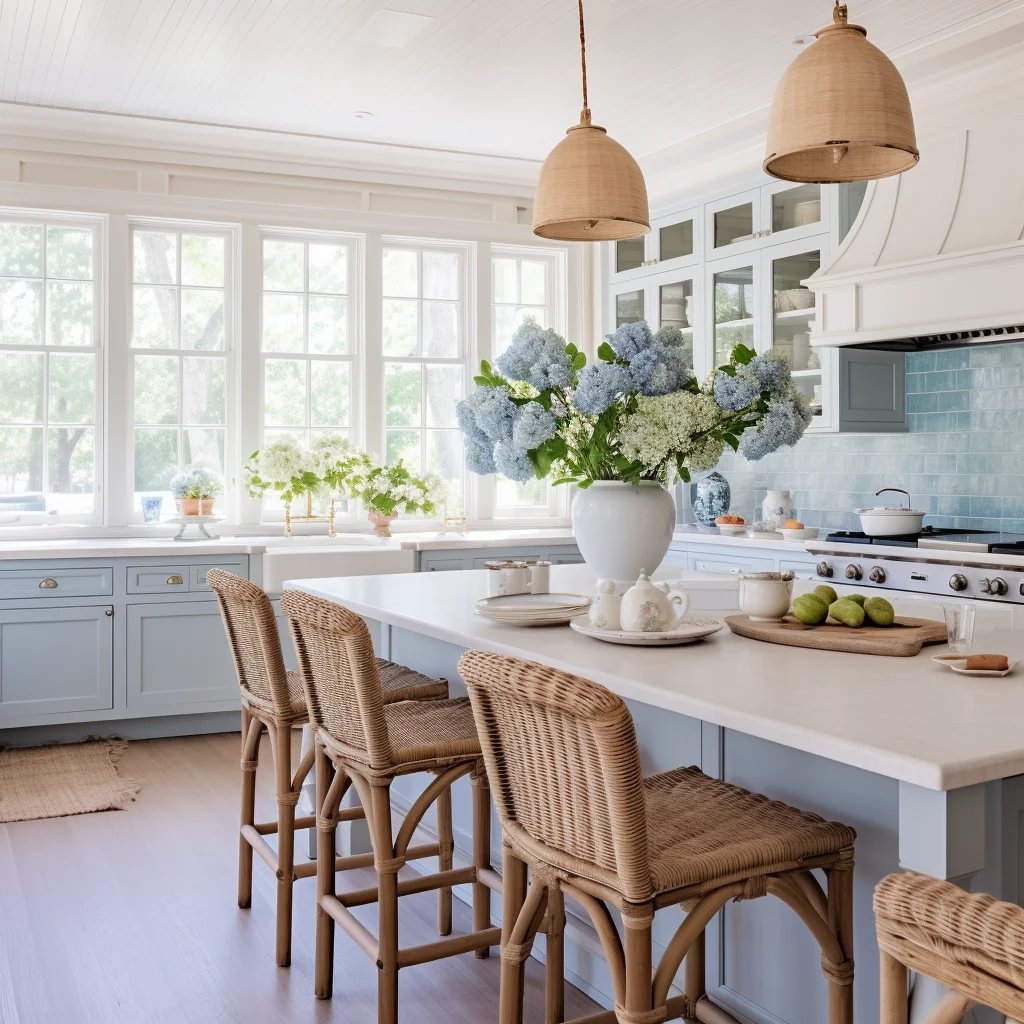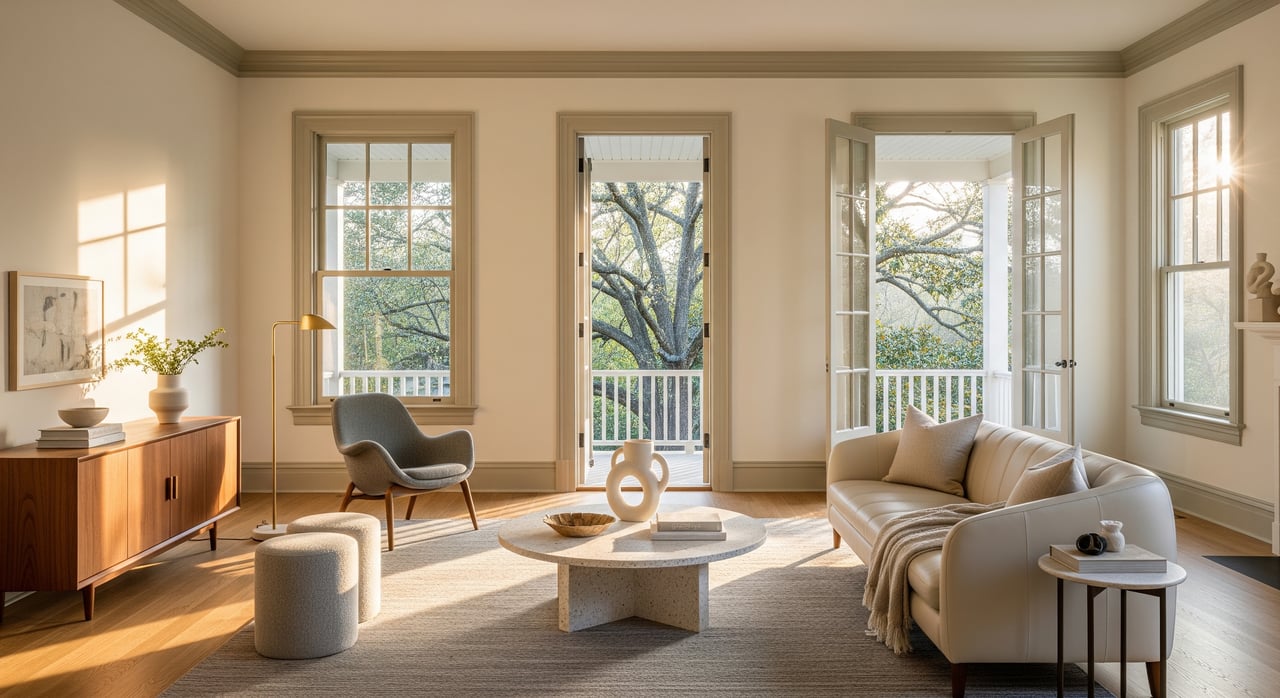
Selling in 38358 and want your home to look like it belongs in a magazine without spending a fortune? You are not alone. Milan buyers respond to clean, comfortable, and well‑styled homes that feel both fresh and livable. In this guide, you’ll get practical, design‑forward staging tips tailored to Gibson County homes so your listing photographs beautifully and shows even better. Let’s dive in.
Why staging in Milan works
Milan sits in West Tennessee’s hot, humid climate, so light, breathable interiors and tidy yards matter. You want rooms that feel cool and bright in summer and warm and inviting the rest of the year. A few smart updates help your home read as low maintenance and move‑in ready.
Local homes often include ranches, bungalows, and traditional two‑story plans. Focus your staging on functional family spaces like living rooms, kitchens, and porches. Clear storage solutions and good traffic flow help older floor plans feel current.
Expect many buyers to be local or regional. They value everyday usefulness: a workable kitchen, a clean garage, practical storage, and a yard they can enjoy. Keep the style aspirational yet usable, not overly trendy. If you need help, remember that some staging and photography services may come from Jackson or other nearby cities, so plan for lead times and travel costs.
Interior staging that photographs beautifully
Declutter and deep clean first
Start by removing personal photos, collections, and strong memorabilia. Keep flat surfaces simple with one or two styled items like a bowl, a plant, or a small tray. Pack non‑essentials so closets and shelves look spacious. Then deep clean windows, baseboards, appliances, grout, and carpets. Clean homes always photograph better.
Furniture placement and scale
Maintain clear walkways with at least a 3‑foot path through entries and halls. Anchor seating with a correctly sized rug so the space feels cohesive. Orient furniture toward conversation rather than the TV unless the TV is the main feature. In small rooms, remove extra pieces and favor leggy furniture to show more floor. In large rooms, create zones for sitting, reading, or working to highlight versatility.
Color and texture choices
Choose warm neutrals like soft greige, warm white, or light taupe. These colors brighten photos and appeal to a wide audience. Add one or two accent colors through pillows, throws, or art. Warm tones such as terra‑cotta, navy, or olive read well in natural light. Layer textures with linen pillows, woven baskets, and knit throws for depth and visual interest. Favor matte or low‑sheen finishes to reduce glare in photos.
Lighting and windows
Maximize natural light by cleaning windows and pulling back heavy drapes. Consider trimming exterior plants that block sunlight. Use consistent LED bulbs between 2700K and 3500K to avoid mismatched color casts. Keep living spaces warm around 2700K and kitchens and baths slightly brighter at 3000 to 3500K. Layer ambient, task, and accent lighting to soften shadows. A well‑placed mirror can bounce light and make rooms feel larger.
Kitchens and baths that sell
Clear your countertops to show workspace. Style one or two purposeful spots like a coffee station or a fruit bowl rather than lots of small items. Align and clean cabinet hardware and fixtures. In bathrooms, use crisp towels and a new shower curtain if needed. Keep counters minimal, and clean or regrout tile where lines look tired. These rooms set the tone for “move‑in ready.”
Floors and rugs
Make sure rugs are sized correctly and lie flat. Remove small, mismatched rugs that chop up sightlines. If hardwoods show wear, consider cleaning and buffing first. Refinish only if your agent believes it will produce a clear return.
Style for photos vs. showings
You can add slightly more styling for photography. Think fresh flowers, fluffed pillows, and a well‑arranged vignette. For daily showings, keep it functional and easy to reset. A lidded bin for quick pickups makes last‑minute showings less stressful.
Curb appeal for West Tennessee seasons
Lawn and landscape basics
Mow, edge, and weed so the yard reads as low maintenance. Refresh mulch to create clean lines in photos. In spring and summer, add a few potted annuals for color at the porch or walkway.
Porches and entries
Stage your porch with two chairs and a small table to suggest a relaxing spot. Add a clean outdoor rug and a fresh welcome mat. Keep décor restrained so the entry feels open and inviting.
Exterior tune‑ups
Power wash siding and clean gutters to remove grime. Replace or polish house numbers and ensure the mailbox looks neat. Remove oil stains and repair cracks in driveways and walkways. Small fixes make a big visual difference.
Seasonal notes
In summer, lighten textiles and manage sun with simple window treatments. In fall, limit seasonal décor to one tasteful wreath or a small grouping of pumpkins. In winter, keep paths clear and systems working smoothly in case of cold snaps.
A practical staging plan and timeline
2 to 4 weeks before listing
- Declutter the whole house and pack non‑essentials. Aim to reduce visible items by 30 to 50 percent.
- Make minor repairs like sticky doors, loose handles, burned‑out bulbs, and leaky faucets.
- Deep clean and address any odors. Shampoo carpets if needed.
- Repaint scuffed or strongly colored walls in neutral tones.
- Tidy the landscape with mowing, trimming, and fresh mulch.
3 to 7 days before photos
- Finalize furniture arrangements and remove small, mismatched pieces.
- Stage key areas: entry, living room, kitchen, primary bedroom, and primary bath.
- Choose consistent light bulbs and test lighting at the time of day you will shoot.
- Prepare a small photo kit: fresh flowers, neutral throw, bowl of fruit, and a tray.
Photo day checklist
- Open curtains and blinds and turn on all lights.
- Hide trash cans, cleaning supplies, and personal items.
- Clear vehicles from the driveway if possible.
- Make beds, fluff pillows, and wipe counters.
Showing readiness ongoing
- Keep quick‑clean supplies and storage bins handy for a 10‑minute reset.
- Remove pet bowls and toys and neutralize odors before each showing.
- Maintain the lawn and porch so the exterior stays ready to impress.
Typical budget ranges
- DIY low budget: 0 to 500 dollars for decluttering, paint touch‑ups, textiles, deep cleaning, and small repairs.
- Modest investment: 500 to 2,000 dollars for pro cleaning, targeted paint, selective décor or furniture, curb upgrades, and professional photography if not provided by your agent.
- Professional staging and rentals: 2,000 to 6,000 dollars or more depending on home size, rental duration, and any travel fees common in smaller markets. Ask for itemized quotes.
- Staging can help reduce time on market and improve perceived value. Exact return varies by price point and local demand.
Smart ways to save
- Rent furniture only for key rooms like the living room, primary bedroom, and kitchen eat‑in area.
- Reconfigure what you own and refresh with updated textiles.
- Borrow or rent statement pieces locally, like a porch set or a large area rug.
- Ask a design‑savvy friend or a local design student to help style rooms in exchange for portfolio credit.
When to bring in pros
When help pays off
- Vacant homes often show and photograph better with rented furniture.
- Higher‑priced or competitive listings benefit from fine‑tuned presentation.
- Tricky layouts and flow issues are easier to solve with a pro’s eye.
- If time is tight, a full‑service stager can accelerate prep and improve consistency.
- If your listing lingers, restaging can refresh the online presence.
How to find local help
- Ask your Realtor for preferred stagers and bundled quotes.
- Search national staging association directories for certified professionals.
- Check regional resources in Jackson or West Tennessee where inventories are larger.
- Ask real estate photographers for stylists or rental contacts.
- Review portfolios, rates, and references before you sign.
Questions to ask a stager or vendor
- Can I see an itemized quote that includes staging fees, delivery and pickup, insurance, and duration?
- Which rooms are included and what add‑ons are available, such as cleaning or small repairs?
- Do you have before and after photos of similar homes in similar markets?
- Will your inventory fit the scale of my home and rooms?
- What insurance and references can you provide?
Compliance and MLS rules
- If you plan to use virtual staging or any digital alterations, confirm disclosure requirements with your agent and local MLS before uploading photos.
- Ensure vendors have proper insurance and understand access rules for occupied homes, especially with children or pets.
- Get a clear contract that outlines terms, duration, damage policies, and cancellation fees.
Listing photos that sell online
Why photos matter in 38358
Many out‑of‑area buyers narrow choices online first. Strong photos help your listing stand out, reduce wasted showings, and attract serious interest faster.
Photo prep checklist
- Remove vehicles or park them neatly, then hide personal items.
- Turn on all interior lights and keep bulb color consistent.
- Open blinds and curtains and reduce distracting reflections.
- Clear fridge doors and style counters minimally.
- Aim for clear weather or golden hour for warm, welcoming curb shots.
Work with a professional photographer
A pro delivers consistent color, proper exposure, and straight lines. Techniques like HDR and bracketing capture bright interiors. Twilight exterior shots can make your home pop. If your agent supplies photography, ask what editing is included and how any virtual staging is disclosed.
Photo order and extras
Lead with your strongest room, often the living room or kitchen. Include exterior, entry, kitchen, primary suite, and a representative yard shot. Add a floor plan if available so remote buyers can understand layout and scale.
Virtual staging and 3D tours
Virtual staging can be cost‑effective for vacant homes when disclosed properly. Do not alter fixed features like window sizes or add elements that do not exist. 3D tours and floor plans help remote buyers and can lower days on market. Weigh the cost against your price point and timeline.
Ready to sell with confidence
Thoughtful, design‑forward staging helps your Milan home shine online and in person. You can do a lot with smart decluttering, warm neutrals, layered textures, and consistent lighting. When you need extra help, a targeted professional plan can speed prep and boost appeal.
If you want a tailored staging and marketing strategy for your 38358 home, reach out to Amy McLemore. With an interior design background and a boutique, high‑touch approach, Amy can guide you from pricing to polished photos and a smooth closing.
FAQs
What rooms should I stage first in a Milan, TN home?
- Start with the living room, kitchen, primary bedroom, and primary bath since these drive first impressions and photo clicks.
How long does staging take for a typical 38358 listing?
- Plan 2 to 4 weeks for decluttering, minor repairs, paint touch‑ups, and yard work, plus 3 to 7 days to finalize styling before photos.
What does professional staging cost in small Tennessee markets?
- Expect roughly 2,000 to 6,000 dollars or more depending on size, inventory needs, duration, and any travel fees for out‑of‑town vendors.
Will staging really increase my sale price in Gibson County?
- Staging often reduces days on market and can improve perceived value. Exact results vary by price point and competition.
Can I DIY staging and still get great photos?
- Yes. Declutter, deep clean, use warm neutrals, update textiles, and fine‑tune lighting. Consider a pro consult for layout and photo styling.
How should I prepare my yard for summer showings in 38358?
- Mow and edge regularly, refresh mulch, add a few colorful potted plants, and keep porches clean with simple seating and a fresh mat.
Are virtual staging and real staging treated differently by the MLS?
- Many MLS systems require disclosure for virtually staged or altered photos. Confirm rules with your agent before uploading images.